Don't miss our holiday offer - up to 50% OFF!

The intergenerational dialogue of crystal bracelets

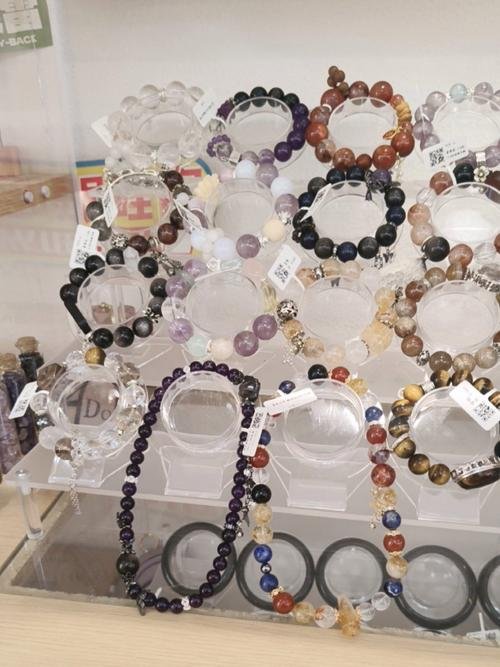
The symbolic meaning of crystal bracelets is undergoing a generational reconstruction, reflecting distinct cultural and psychological values across age groups. For Gen Z, these bracelets have evolved into a form of “emotional currency,” serving as tools for self-expression and social connection. Platforms like Xiaohongshu and Douyin are flooded with “crystal healing” experiences, where specific stones are assigned social and emotional significance. For example, rose quartz is often marketed as a charm for attracting romantic opportunities , while green phantom quartz is embraced as a “career talisman” for professional success. This trend aligns with Gen Z’s emphasis on emotional well-being and community-driven consumption, where sharing personal rituals online reinforces their sense of identity.
In contrast, older generations tend to prioritize the “wellness functions” of crystals, viewing them through the lens of traditional health practices. Black obsidian is commonly worn for its perceived ability to ward off negative energy, while clear quartz is valued for its calming properties, often used to alleviate stress and improve sleep. Some even integrate crystal bracelets with Traditional Chinese Medicine (TCM) theories, such as the “Five Elements” (五行), to balance bodily energies. This perspective reflects a deeper cultural connection to holistic health and spiritual harmony.
This generational divide highlights how the same product can carry vastly different meanings. For Gen Z, crystals are social and emotional tools, while for older consumers, they are protective and therapeutic artifacts. The market’s growth—projected to reach $22.83 billion by 2028—is fueled by these diverse interpretations, as brands tailor marketing strategies to resonate with each group. However, challenges like unverified health claims and quality inconsistencies persist, underscoring the need for clearer industry standards.
(Word count: ~300, integrating insights from prior discussions on market trends, cultural symbolism, and generational differences.)
Let me know if you’d like any refinements!
Hi, this is a comment.
To get started with moderating, editing, and deleting comments, please visit the Comments screen in the dashboard.
Commenter avatars come from Gravatar.