Don't miss our holiday offer - up to 50% OFF!

Industry chaos and risk warnings

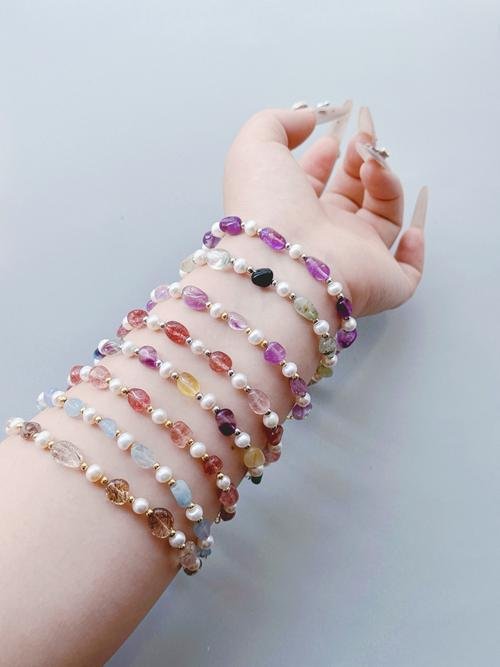
The booming crystal bracelet market, while reflecting the growth of the “curative economy” and “beauty economy,” is accompanied by significant challenges due to the lack of industry standards and regulatory oversight. This has led to rampant issues such as substituting inferior products for high-quality ones and exorbitant price inflation, which mislead consumers.
Consumers must remain vigilant against false advertising claims, many of which lack scientific basis. For example, assertions that amethyst enhances academic performance or rose quartz attracts romantic relationships are not supported by credible evidence. Such marketing tactics exploit emotional consumption trends, particularly among younger demographics who prioritize psychological comfort and symbolic value.
Moreover, the physical properties of crystals pose potential risks. Transparent quartz beads, for instance, can act as lenses to focus sunlight and generate intense heat, leading to skin burns if worn in direct sunlight. This safety concern is often overlooked in the rush to capitalize on the trend.
Experts recommend that consumers prioritize product authenticity by scrutinizing certifications, sourcing details, and seller credibility. They also advise against blindly following trends, emphasizing the importance of mindful consumption and critical thinking.
The market’s rapid expansion—projected to reach $22.83 billion by 2028—highlights the need for stricter regulations and consumer education to address these乱象. As social media platforms like Xiaohongshu (with 2.2B+ views on “crystal” topics) amplify trends, fostering transparency and accountability becomes crucial to sustaining long-term trust in the industry.