Don't miss our holiday offer - up to 50% OFF!

Consumer Psychology and the healing economy

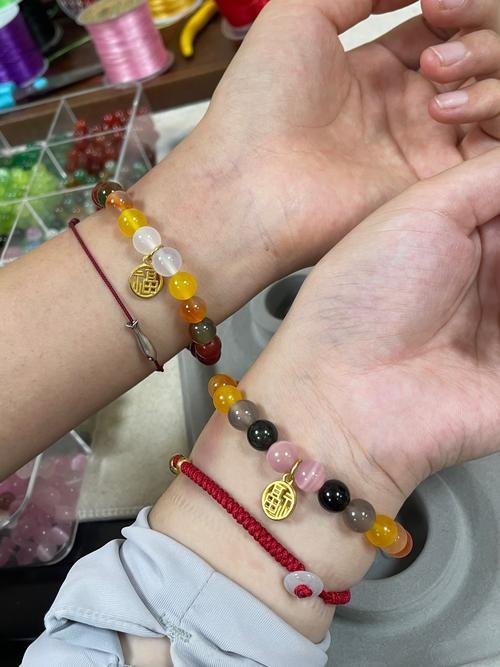
The booming market for crystal bracelets is closely linked to the rise of the “curative economy,” a phenomenon where consumers seek emotional and psychological well-being through symbolic products. Young people, particularly those aged 18-30, are the primary drivers of this trend, believing that wearing crystals can attract good luck, enhance health, or provide inner peace. This belief is intertwined with the “beauty economy,” as the aesthetic appeal of crystals—often vibrant and customizable—aligns with the demand for visually pleasing accessories that also carry personal meaning.
Psychological experts note that crystals function as a low-threshold self-help tool, offering temporary relief through the ritualistic act of wearing or “charging” them. This ritual creates a sense of control and comfort, which can be especially appealing in high-pressure environments. However, over-reliance on such external symbols may divert attention from developing intrinsic coping mechanisms. The trend is amplified by social media, where platforms like Xiaohongshu (Little Red Book) host extensive discussions. The “crystal” topic has amassed over 2.2 billion views, with users sharing styling tips, purported benefits (e.g., stress relief, career luck), and even DIY customization ideas. Notably, the 18-23 age group shows the strongest preference (TGI index 239.01), reflecting their engagement with wellness trends and symbolic consumption7.
Market data underscores this cultural shift. For example, a single tiger’s eye crystal bracelet on TikTok’s U.S. store sold over 15,000 units in 28 days, generating $127,500 in revenue, with its “wealth-attracting” symbolism resonating with consumers6. Similarly, Douyin (TikTok China) reported that top 30 crystal products each earned over ¥1 million in monthly sales, driven by live-streaming and influencer endorsements. This fusion of spirituality, aesthetics, and digital commerce highlights how crystals have evolved from mere accessories to cultural artifacts of modern emotional consumption.